
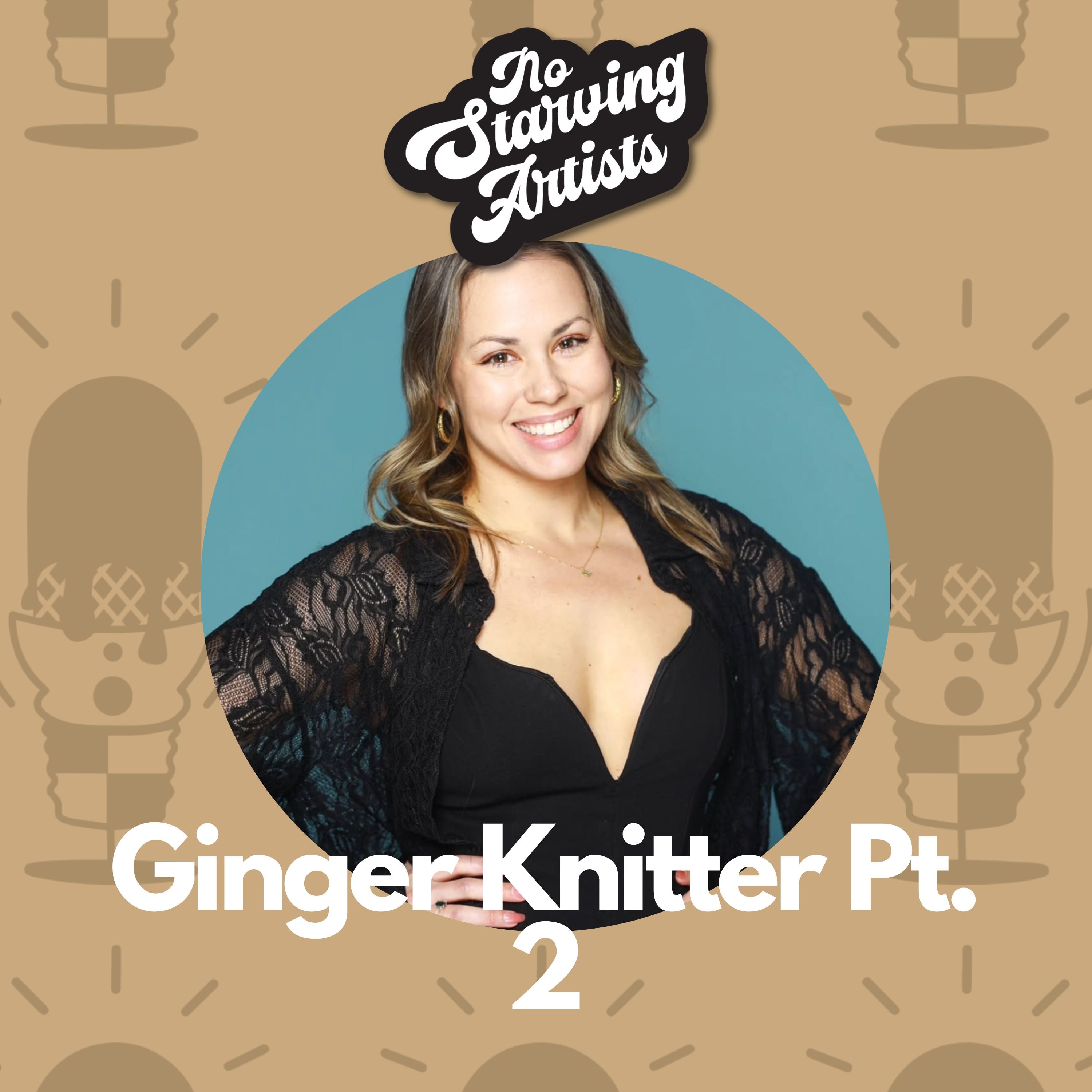
Inside the Studio: Coaching Culture, Parent Communication & Creating Safe Spaces in Dance
No Starving Artist Podcast — Episode Recap with Ginger Knitter Pt. 2
In this part-two episode of the No Starving Artist Podcast, we welcome Ginger back to talk about what it really looks like inside a working dance studio. From juggling competition season and recitals, to parent communication, student accountability, classroom culture, and creating emotionally safe learning environments—this episode is a must-read for dance teachers, studio owners, and parents navigating the modern dance world.
If you’ve ever struggled with choreo retention, parent dynamics, student motivation, or classroom energy, this conversation hits home.
Life as a Full-Time Dance Teacher
Ginger is a full-time dance instructor and coach working in Los Angeles County, teaching both recreational dancers and competitive teams while also coaching a high school dance team. With years of professional dance experience behind her, she’s now fully immersed in teaching, mentoring, and shaping the next generation of dancers.
She shares what this season looks like from the inside:
-
Teaching at a studio with both recreational and competitive programs
-
Managing choreography for multiple teams and soloists at once
-
Preparing competition routines while simultaneously starting recital choreography
-
Balancing creativity with realistic time constraints
Real talk:
Choreographing 15–20 routines at once isn’t glamorous—it’s calendar chaos, time management, and learning how to pace yourself.
Recital vs. Competition: Two Very Different Worlds
One of the most interesting parts of the conversation is how studios juggle both recreational recitals and competitive teams.
Ginger explains that many competition dancers still participate in recitals, meaning:
-
They’re learning multiple routines at once
-
They’re navigating school workload + training + performances
-
Younger dancers often struggle with memory and time management
-
Teachers are constantly balancing progress vs. pressure
Key insight:
Recital dancers and competition dancers have different goals—and studios work best when they respect both paths.
Not every dancer is training for nationals. Some just want to dance, perform, and enjoy the experience. And that’s valid.
The Practice Problem: Why Kids Forget Choreography
One modern challenge teachers face?
Students have access to rehearsal videos—but many don’t actually use them.
This creates a recurring issue in class:
-
Half the class practices at home
-
Half the class doesn’t
-
Teachers are forced to choose between reteaching or moving forward
Ginger reframes this not as frustration—but inconvenience. And it opens a bigger conversation about:
-
Personal responsibility
-
Parent involvement
-
How dancers learn best
Truth:
Access to resources doesn’t mean students automatically use them. Structure and support still matter.
Parent Involvement: Helpful vs. Harmful
One of the most powerful parts of this episode dives into parent dynamics inside dance studios.
Unlike sports, most parents don’t watch dance class. That creates a knowledge gap:
-
Parents don’t always understand technique standards
-
Progress isn’t as obvious as “you scored” or “you missed”
-
Miscommunication can lead to frustration on both sides
Ginger shares tools that help bridge the gap:
-
Pulling parents into the last few minutes of private lessons
-
Showing parents what feedback actually looks like
-
Offering progress reports to clarify expectations
-
Encouraging questions instead of silent confusion
Big idea:
When parents understand why their child isn’t moving up or excelling yet, conflict drops and trust grows.
Advocating for Your Dancer Without Undermining Teachers
A powerful moment in the episode centers around this tension:
When should parents speak up—and when should they trust the professional?
The takeaway isn’t about a hard “line.”
It’s about approach.
Constructive communication opens doors.
Aggressive criticism shuts them.
When parents ask questions with curiosity instead of confrontation, it allows teachers to:
-
Explain artistic choices
-
Share professional perspective
-
Adjust when needed
-
Build trust instead of defensiveness
Reframe:
Advocacy works best when it’s rooted in collaboration, not control.
Creating Safe, Respectful Classrooms
Ginger speaks honestly about something the dance world doesn’t always prioritize:
emotional safety.
She builds space into class for:
-
Checking in with students
-
Letting kids share what kind of day they’re having
-
Normalizing emotions before expecting performance
-
Creating moments of humor and connection
At the same time, she balances fun with boundaries:
-
Respect still matters
-
Structure still matters
-
Accountability still matters
Key philosophy:
Respect in the classroom goes both ways.
Students respect teachers more when they feel respected first.
Taking Dance Seriously—Without Killing the Joy
One of the most refreshing parts of this episode is the reminder that:
Dance doesn’t have to feel heavy all the time.
Ginger talks about allowing:
-
Humor in class
-
Playful moments
-
Student personality
-
“Brain rot” jokes and cultural references
-
Letting kids be kids
This doesn’t mean chaos—it means humanity.
Big reminder:
Joy doesn’t weaken discipline.
It makes students want to show up.
Teaching Beyond Technique
At the heart of this episode is one powerful truth:
Dance teachers don’t just teach dance.
They shape humans.
From confidence and communication to self-advocacy and emotional awareness, teachers impact how kids move through the world—not just across the floor.
Ginger shares that some of the most meaningful feedback she’s received from former students had nothing to do with dance—and everything to do with how she made them feel.
That’s legacy.
Final Thoughts
This episode isn’t about perfect studios, perfect parents, or perfect teachers.
It’s about building healthier systems inside dance culture.
When studios prioritize:
-
Communication
-
Emotional safety
-
Clear expectations
-
Respect on both sides
Everyone wins:
-
Dancers grow
-
Parents trust
-
Teachers last longer
-
The art form becomes healthier
Follow Ginger
You can find Ginger sharing studio life, teaching insights, and dance content on Instagram at:
@Gingerknitter
Share:
Bringing Safety, Fairness & Legitimacy to Dance Competitions: Inside the ICDR Movement - Episode 47
Life After Competition: Finding Your Path, Staying Creative & Growing as a Dancer - Episode 49