
Emotional Adultification, Dance Education & Who We’re Really Training
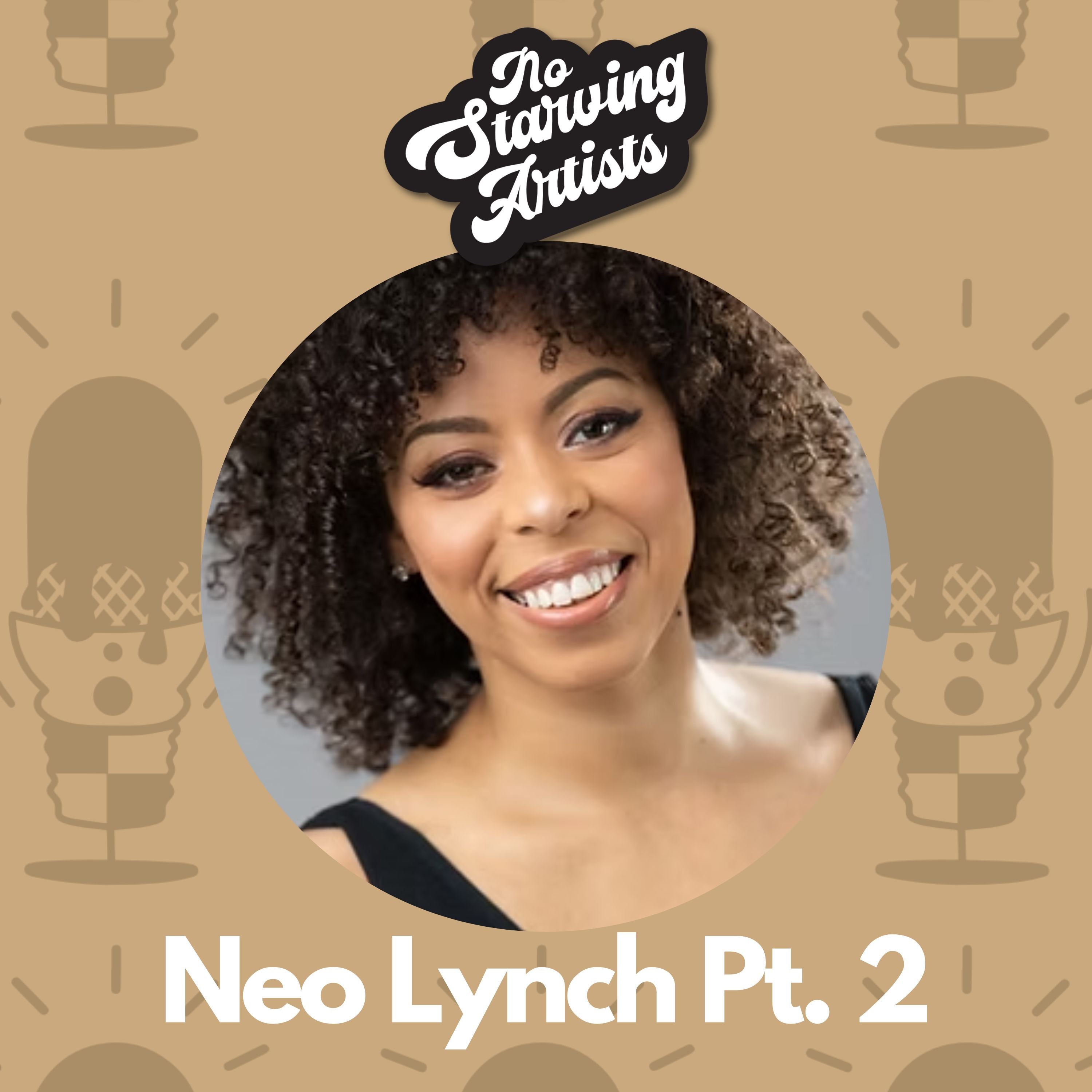
No Starving Artist Podcast — Episode Recap with Neo Lynch Pt. 2
In this episode of the No Starving Artist Podcast, we sit down with returning guest Neo Lynch — dancer, choreographer, educator, MFA graduate, and doctoral candidate — for a wide-ranging conversation about the current state of dance education.
From emotional adultification and hypersexualization to competition culture, gender bias, pedagogy gaps, and the difference between choreography and dance, this episode dives deep into the systems shaping today’s dancers — and what needs to change.
If you care about the future of dance education, this conversation is essential.
Neo Lynch_ MFA
Meet Neo Lynch
Neo Lynch brings a unique perspective as both a professional dancer and academic. With experience performing for major artists, directing the Black Dance Teachers Association, holding studio residencies, and pursuing doctoral studies in dance, Neo bridges the gap between industry experience and formal pedagogy.
Her work focuses on advocacy, education, and pushing the dance world toward more intentional, informed practices.
What Is Emotional Adultification in Dance?
One of the most powerful topics discussed is something Neo calls emotional adultification — the practice of placing adult emotional themes onto children in choreography.
This often shows up in lyrical and contemporary routines where young dancers are expected to portray experiences they cannot realistically understand, such as:
-
Addiction or overdose narratives
-
Terminal illness storylines
-
Infertility or relationship trauma
-
Death and grief themes
While often created with artistic intention, these concepts can ask children to fabricate emotions they haven’t lived, creating disconnect and confusion.
Key insight:
Dance should be expressive — but expression should be developmentally appropriate.
When Concept Overshadows the Dancer
A recurring issue in competition choreography is prioritizing concept over comprehension.
Many dancers are asked to perform narratives they don’t understand, which leads to performances that feel forced or disconnected. Without context, discussion, or emotional grounding, the choreography becomes more about visual impact than authentic expression.
The takeaway is simple but powerful:
👉 If a dancer doesn’t understand the story, they can’t truly communicate it.
Hypersexualization & Gender Double Standards
The episode also explores how hypersexualization is often discussed in relation to girls in dance — but rarely applied to boys.
Neo points out inconsistencies like:
-
Male dancers performing shirtless without scrutiny
-
Young boys doing suggestive movement being seen as “funny”
-
Female dancers being heavily critiqued for music or costuming
-
Romantic roles being assigned to children without discussion
These double standards highlight deeper cultural issues around gender expectations and heteronormativity in dance spaces.
Important question raised:
Are all dancers being held to the same standards of appropriateness?
Male Privilege & Performance Freedom
Another layer of the conversation looks at how male dancers often have more freedom in performance spaces — particularly in improv settings — while female dancers may feel pressure to maintain technical perfection or manage perception.
This difference impacts confidence, risk-taking, and creative expression.
Big takeaway:
Freedom to explore movement shouldn’t be gendered.
The Education Gap in Private Dance Studios
One of the clearest themes in the episode is the lack of formal pedagogy training in private studio environments.
Many teachers move directly from being students to teaching, often repeating methods they experienced without understanding the “why” behind them.
This creates challenges like:
-
Limited knowledge of dance history and cultural context
-
Lack of child development understanding
-
Focus on choreography over education
-
Reinforcement of outdated systems
Neo emphasizes that teaching requires more than talent — it requires training.
Are Competitions Becoming Choreography Contests?
A bold but honest observation from the conversation is that many competitions are no longer truly evaluating dance — they’re evaluating choreography and visual impact.
This shift has led to:
-
Emphasis on tricks over movement quality
-
Visual staging over artistic connection
-
Uniformity over individuality
-
Judges rewarding spectacle over substance
The result is dancers who can execute steps perfectly but struggle with improvisation, creativity, or movement understanding.
The Hip Hop Label Problem
Another major point is the widespread mislabeling of styles — particularly calling commercial choreography “hip hop.”
Neo highlights how this erases cultural roots and creates confusion around what hip hop actually is as an art form.
Clearer categorization, such as “commercial dance,” would help preserve authenticity and educate dancers more accurately.
Dance as Therapy — Without Trauma Narratives
The episode acknowledges that dance can be therapeutic, especially when studios experience loss or hardship. However, Neo stresses that healing through dance doesn’t require literal storytelling about trauma.
Students often prefer celebrating memories or expressing emotions indirectly rather than reenacting painful experiences.
Key idea:
Dance can process emotion without recreating trauma.
Why Conversations With Students Matter
A core solution repeated throughout the episode is simple: talk to the dancers.
Giving students space to share ideas, emotions, and perspectives allows choreography to become collaborative rather than imposed.
This approach:
-
Builds emotional intelligence
-
Encourages ownership
-
Improves authenticity
-
Develops artistry
Kids are capable of deep insight when given the opportunity to contribute.
The Reality of Competition vs. The Real Dance World
Another important distinction is that competition success doesn’t always translate to real-world dance careers.
Many dancers burn out after years of intense competition training, while others never explore the broader possibilities dance offers — from therapy to choreography, education, production, writing, or movement science.
Dance skills can open doors far beyond the stage when framed correctly.
Actionable Advice for New Teachers
Neo’s biggest recommendation for newer teachers is clear:
👉 Find a mentor.
Teaching requires navigating:
-
Student emotional needs
-
Parent relationships
-
Classroom management
-
Educational planning
-
Artistic development
Organizations like the National Dance Education Organization provide training, certifications, and mentorship opportunities to help teachers grow beyond instinct-based teaching.
Final Thoughts
This episode challenges the dance world to rethink what we value and why.
When choreography prioritizes spectacle over understanding, when teachers lack training, and when dancers aren’t given a voice, the art form loses depth.
But when we center education, conversation, cultural awareness, and intentionality, dance becomes what it’s meant to be — a space for expression, growth, and humanity.
Connect with Neo Lynch
You can follow Neo and her work here:
-
Instagram: @neolynch
-
Black Dance Teachers Association
-
neolynch.com
Share:
Life After Competition: Finding Your Path, Staying Creative & Growing as a Dancer - Episode 49
Finding Your Voice in Dance: Confidence, Industry Realities, and Protecting Your Passion - Episode 51