
Is Ballet Really “Dying”? A Deeper Look at Dance, Culture, and the Future of the Arts
Every once in a while, a comment from outside the dance world sparks a conversation that dancers have quietly been having for years.
Recently, actor Timothée Chalamet made remarks about ballet during a public discussion that quickly spread online. His comments ignited strong reactions from dancers, teachers, and arts supporters across social media. Some people felt he dismissed an entire art form, while others believed his statement reflected a difficult truth about the current state of ballet and live performance.
What started as a viral clip quickly became something much bigger: a conversation about the financial reality of dance, the perception of ballet in modern culture, and the long-term sustainability of performing arts.
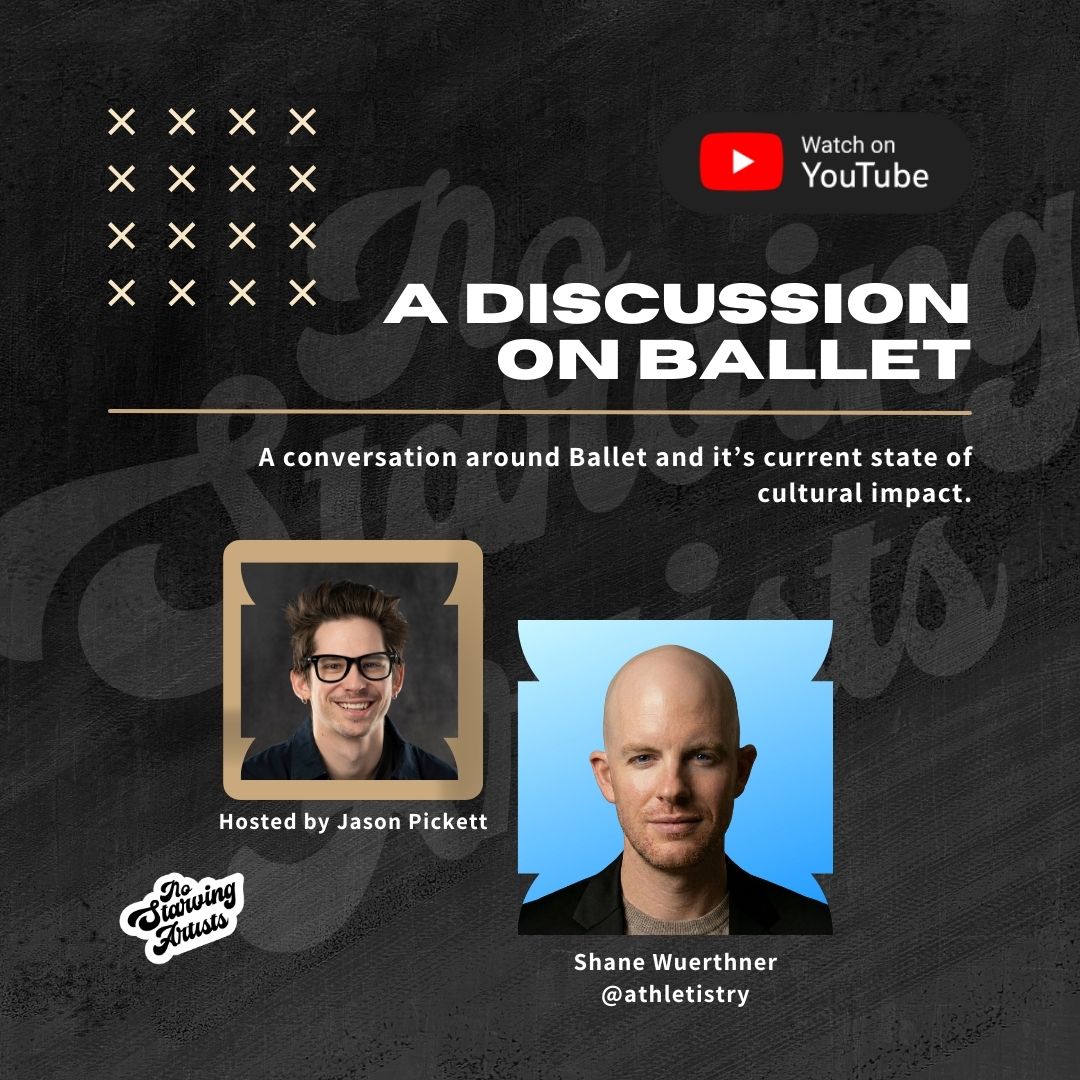
To unpack some of these issues, I spoke with Shane Wuerthner — former professional ballet dancer and the voice behind Athletistry — about the history of ballet, the challenges facing dancers today, and why the discussion around ballet’s relevance is more complicated than it appears.
When Public Comments Hit Close to Home
One of the reasons Chalamet’s comments landed so strongly was because of who heard them.
For many young dancers — especially teenagers deeply invested in ballet training — hearing a major public figure suggest that people “don’t care” about ballet can feel personal. Ballet often becomes a dancer’s entire identity during their formative years. Students train for hours each day, sacrifice time with friends, and dedicate enormous energy toward a career that is incredibly difficult to achieve.
When someone with global influence appears to dismiss that effort, it can feel like a direct attack on something deeply meaningful.
At the same time, many people acknowledged that the comment likely wasn’t meant to belittle dancers. In fact, it may have reflected a broader reality about the challenges facing classical arts in today’s media landscape.
And that’s where the conversation becomes more interesting.
The Hidden Reality of Professional Ballet
From the outside, professional ballet can look glamorous.
Audiences see stunning costumes, world-class theaters, and elite performers executing near-impossible feats of athleticism. But behind the curtain, the reality is far less glamorous.
Most professional dancers spend 10–15 years training before they even reach the professional level. Training typically involves:
-
Four to six hours of daily practice
-
Six days per week
-
Years of expensive schooling and competitions
-
Significant financial investment from families
Even after all that dedication, the number of available jobs is extremely small.
In many countries, thousands of students train seriously for ballet every year, yet major ballet companies may only hire a handful of dancers annually. Even landing a trainee or apprentice position doesn’t guarantee a long-term career.
And if a dancer does make it into a major company, the financial rewards are often modest.
Many dancers in top companies earn salaries that would surprise people who assume ballet is a high-paying profession. In cities like San Francisco, New York, or London, dancers often share apartments, rely on roommates, and carefully budget just to keep up with the cost of living.
The numbers on paper may sound respectable, but once taxes and living expenses are accounted for, the financial reality can be extremely tight.
The Cost of a Career in Dance
One of the most overlooked aspects of ballet is the cost required just to pursue it.
Pre-professional ballet schools often charge tens of thousands of dollars per year, and not every student receives a scholarship. Families frequently invest huge amounts of money into training, competitions, travel, and living expenses in hopes that their child might eventually secure a professional position.
Even when dancers reach the top levels of the field, the income rarely matches the years of investment.
Unlike careers such as medicine or engineering — which also require long training periods — ballet offers far fewer financial guarantees at the end of the journey.
And yet dancers pursue it anyway.
Why?
Because for many of them, ballet isn’t just a job. It’s a calling.
The Public Perception Problem
Another challenge ballet faces is how the public perceives it.
If you asked someone on the street to describe ballet, many people might picture something like:
-
Pink tutus
-
Pointe shoes
-
Children dancing in The Nutcracker
While those images are part of ballet culture, they don’t accurately represent the intensity and athleticism required to perform professionally.
In reality, professional ballet dancers train at a level comparable to elite athletes. Their daily routine includes strength training, rehearsals, conditioning, and constant refinement of technique.
But because the public often associates ballet with childhood recitals or holiday performances, it can be difficult for audiences to fully understand the depth of the craft.
This gap between perception and reality creates a major marketing challenge for the art form.
Why Ballet Struggles in the Modern Attention Economy
Another major factor affecting ballet is the way people consume entertainment today.
Historically, live performance was one of the primary forms of entertainment available. People went to theaters, opera houses, and dance performances because there were fewer alternatives.
Today, audiences have endless options competing for their attention:
-
Streaming platforms
-
Social media
-
Video games
-
Online content
-
Short-form entertainment
Live arts now compete against an entire digital ecosystem designed to capture attention instantly.
Even though many ballet companies still sell out performances, that doesn’t always mean they are financially thriving. The cost of producing a ballet — including theater rentals, costumes, orchestra, staff, and marketing — is enormous.
Selling tickets doesn’t always cover those expenses.
The Economics of Art vs. Mass Media
There’s also an important difference between performing arts and industries like film or television.
Most ballet companies operate as nonprofit organizations. They rely heavily on:
-
Government grants
-
Private philanthropy
-
Donations
-
Institutional support
Meanwhile, industries like film operate on a different scale entirely.
Movies can reach millions — sometimes billions — of viewers around the world through streaming and digital distribution. Governments often provide tax incentives to film studios to produce movies in certain regions because of the economic benefits.
Live performance simply doesn’t scale in the same way.
A theater can only hold so many people at a time.
Is Ballet the Foundation of All Dance?
Another topic that often surfaces in dance discussions is the idea that ballet is the foundation of all dance styles.
In many competitive dance studios, ballet is considered the essential training method that every dancer should study.
But historically, the story is more nuanced.
Ballet did not originally exist as the structured class system we know today. Much of the formal ballet training structure was codified in the 19th century through teaching methods developed by influential instructors.
Before that, dancers often trained directly with masters through apprenticeship-style learning.
While ballet certainly influenced many modern dance styles — especially in theatrical and concert dance — it is not the origin of all movement traditions. Many cultural dance forms existed long before ballet and developed independently around the world.
The reason ballet often dominates training environments today is because its technique is highly structured and codified. That structure makes it easier to teach systematically across schools and institutions.
The Challenge of Standardization
Ironically, one of ballet’s strengths may also be one of its weaknesses.
Because ballet technique has become so standardized, dancers often look very similar when performing classical choreography. Perfect turnout, extended lines, and technical precision are emphasized heavily.
While these qualities create breathtaking visuals, some critics argue that the pursuit of perfection can sometimes overshadow individuality and artistic expression.
In competitive environments especially, dancers may prioritize technical achievements — like multiple pirouettes or extreme flexibility — over emotional storytelling.
And yet storytelling is exactly what ballet was originally designed to do.
The Role of Conversation in the Arts
Despite the controversy that sparked this conversation, one positive outcome has been the amount of discussion it generated.
Millions of people suddenly began talking about ballet.
Whether they were defending the art form or questioning its relevance, the conversation itself brought attention back to dance.
And sometimes, attention is the first step toward progress.
The performing arts have always evolved alongside culture. Ballet has survived political upheaval, cultural revolutions, and massive shifts in entertainment throughout history.
It has changed many times before.
And it will likely continue changing again.
The Future of Ballet
If ballet hopes to thrive in the modern era, it may need to rethink how it connects with audiences.
That might include:
-
New approaches to storytelling
-
Better public education about the art form
-
Greater accessibility for audiences
-
Stronger marketing and media strategies
-
Supporting dancers more sustainably
The talent, passion, and dedication within the ballet world have never been in question.
The real challenge is making sure the world continues to see it.
Final Thoughts
Ballet isn’t dying.
But like many traditional art forms, it is navigating a rapidly changing cultural landscape.
The conversation sparked by one offhand comment ultimately revealed something deeper: dancers care deeply about the future of their art form, and they’re willing to defend it.
And perhaps that passion — more than anything — is the reason ballet will continue to endure.
Share:
Dance vs Figure Skating - Episode 58